Discover Electronics Recycling Houston for E-Waste Disposal
Full Resource for Electronics Recycling: How to Correctly Handle Your Used Devices Responsibly
Electronics recycling plays an essential role in ecological preservation and responsible resource conservation. Many people are unaware of the proper steps to take when getting rid of old devices. Understanding how to prepare electronics for recycling can make a meaningful impact. This guide provides vital insights into ethical disposal practices. It poses critical considerations about what happens to discarded devices and the effect on the environment. The journey of electronics recycling starts today.
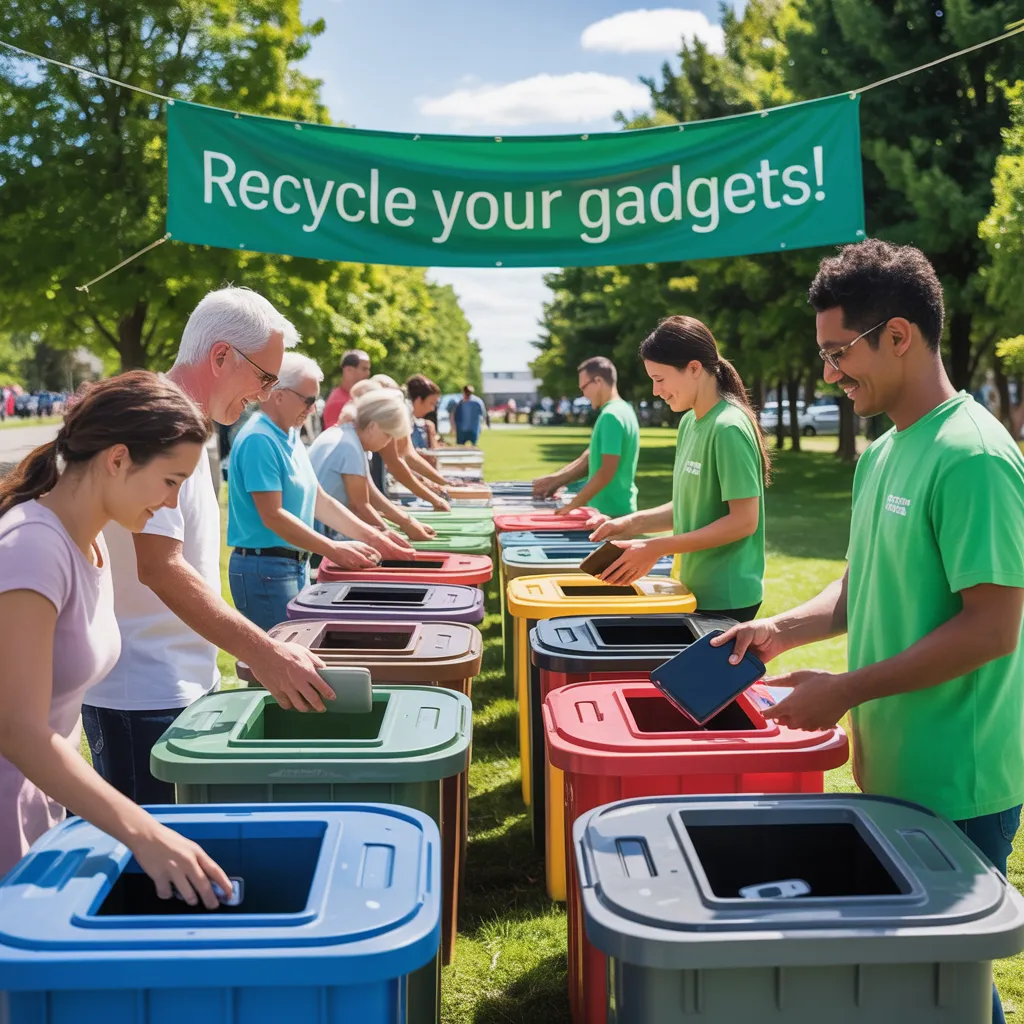
The Significance of Electrical Waste Recycling for Ecological Preservation
Although many individuals may not realize it, electronics recycling plays an important role in preserving the environment. As technology develops, the volume of electronic waste continues to grow, creating significant ecological challenges. Improper disposal of devices can trigger harmful substances, such as lead and mercury, contaminating soil and water sources. By recycling electronics, valuable materials like metals and plastics can be salvaged and reused, thereby cutting the need for virgin resources and reducing energy consumption tied with manufacturing.
Additionally, recycling assists to lower the environmental impact connected to waste management. It moves e-waste away from waste sites, where it may take hundreds of years to decompose. This practice not only conserves raw materials but also fosters a more environmentally responsible future. Through responsible e-waste recycling, people and groups can contribute to a healthier planet, making sure that advancements in technology do not come at the cost of environmental quality.
Steps to Ready Your Old Devices Arranged for Recovery
Preparing old devices for recycling involves several important steps to ensure data security expert advice and conformity with guidelines. First, backing up essential data is critical, followed by the removal of personal information to protect privacy. Finally, examining the manufacturer's recycling guidelines helps confirm responsible disposal.
Back up Your Data
Before disposing of old electronics, it is important to backup any essential data. Users should hook up their devices to a computer or use cloud storage services to guarantee all key files, photos, and documents are saved. For smartphones and tablets, using built-in backup features facilitates the process. Users can also consider transferring data to external hard drives or USB flash drives for extra security. It is prudent to check that the backup is thorough and accessible before starting recycling. This step not only secures valuable information but also provides a smooth shift to new devices. Taking a moment to secure data helps in avoiding potential loss and enables a more effective recycling experience.
Delete Personal Data
After backing up important data, individuals must take steps to delete confidential details from their outdated gadgets. This process starts with signing out of accounts and disabling features such as Find My Device. Next, individuals should complete a factory reset, which wipes all data and resets the device to its original settings. For additional security, it is wise to secure the device before resetting it; this provides a layer of safeguarding against data recovery. Users should also extract any external storage, such as SD cards, to confirm that no personal files remain. Finally, checking that personal information has been thoroughly removed is crucial, as this step verifies the device is ready for responsible recycling.
Examine Manufacturer Specifications
Examining manufacturer guidelines is crucial for making sure that used devices are properly readied for disposal. Different manufacturers frequently have comprehensive guidelines regarding the recycling process, which could incorporate distinctive takedown methods or recommendations for safe removal of materials. By examining these guidelines, consumers can determine any required actions to extract power sources or dangerous substances safely. Additionally, several manufacturers offer take-back initiatives, enabling customers to send back their devices directly for accountable recycling. Following these guidelines not only helps protect the environment but also minimizes health risks associated with incorrect elimination. Hence, consumers should prioritize studying and following producer guidelines as a vital component in the disposal procedure. This practice promotes responsible electronics recycling overall.
Which Categories of Electronics Are Recyclable?
E-waste handling encompasses a diverse range of devices that can be refined to obtain precious resources and lower environmental impact. Traditional recycled products include smartphones, laptop computers, desk computers, and tablet computers, which all contain precious metals and components that can be repurposed again. Also, television sets, video displays, and printing machines comprise the recycling spectrum, as they frequently feature dangerous compounds including lead and mercury.
Small devices such as microwaves, toasters, and coffee makers can also be recycled, although they may require expert care. Batteries, especially lithium-ion types found in many electronics, are essential to properly dispose of due to their hazardous composition. Audio and video equipment, including stereo systems and cameras, can further add to the recycling stream. Overall, numerous electronic devices are suitable for recycling, helping to advance sustainability and mitigate the harmful effects of e-waste.
Identifying Your Adjacent Electronics Recycling Center
Seeking out a proximate electronics waste facility is indispensable for responsible disposal. Area recycling services may deviate, presenting different capabilities and accepted items. Web-based finders furnish a user-friendly way to determine these centers based on one's vicinity.
Area Environmental Resources
Discovering accessible recycling options is critical for sustainable device management. Various communities offer approved recycling centers that receive a broad selection of tech items, such as computers, televisions, and smartphones. These centers regularly deliver protective management and processing of dangerous compounds within electronics, thus minimizing ecological strain. Local authorities may also coordinate organized collection events, enabling residents to turn in their unwanted electronics at nearby locations. Additionally, select retailers include return schemes, facilitating purchasers to return used electronics when shopping for new equipment. By engaging with these local options, people can establish their discarded electronics are processed sustainably, furthering sustainability goals and alleviating the pressure to landfills. Getting involved with community recycling options promotes public participation and ecological accountability.
Digital Tracker Resources
Several internet-based locator tools streamline the process of discovering nearby electronics recycling centers. These platforms allow users to provide their location and receive a list of reachable recycling facilities. Websites such as Earth911 and the EPA's recycling locator provide recent information on local drop-off points and events. Additionally, some manufacturers present their own recycling programs, which can be discovered through their official websites. Users can frequently filter results based on the types of devices they wish to recycle, guaranteeing they find fitting centers. By employing these tools, individuals can make informed decisions about recycling their electronics, contributing to environmental sustainability while ensuring compliance with local regulations. This accessibility encourages responsible disposal of outdated devices.
Making Use of Brand Buyback Programs
As consumers increasingly seek sustainable solutions for electronic waste, manufacturer take-back programs provide a responsible option for reprocessing outdated devices. These initiatives, often led by leading electronics producers, enable customers to send back their used products straight to the company. By participating in these programs, people can guarantee that their electronics are discarded in an environmentally friendly manner.
Many suppliers create designated drop-off locations or prepaid shipping labels, rendering the process hassle-free. Moreover, these efforts often promote sustainable disposal methods, verifying that substances are recovered and reused rather than accumulating in waste facilities. Some manufacturers likewise attract participants by supplying incentives or rewards for subsequent orders. This approach not only minimizes tech trash but also encourages a culture of sustainability. Fundamentally, employing manufacturer take-back programs gives patrons the ability to beneficially affect the environment while responsibly managing their digital equipment.
Protected Data Removal Recommendations for Tech Disposal
One important step in the electronics recycling process is ensuring safe data destruction. People must recognize that merely deleting files or performing a factory reset does not guarantee total data removal. Effective techniques include the use of data-wiping software that satisfies industry standards and overwrites data multiple times. For devices that cannot be reused, physically destroying the storage medium—such as shredding or incinerating hard drives—guarantees data cannot be retrieved.
Before recycling electronic devices, users should extract any SIM cards and memory cards, which frequently contain personal information. Additionally, documenting the data destruction process can offer peace of mind, especially for companies managing sensitive information. In conclusion, people are urged to contact certified e-waste recyclers who adhere to best practices for data destruction, guaranteeing proper care of electronic devices. By adhering to these steps, people can protect their personal information while contributing to a more sustainable recycling process.
Your Electronics Waste Management Journey: What Takes Place to Them?
After confirming data is safely eliminated, the trajectory of tech equipment toward recycling starts. Devices are typically collected at specified collection points or via return initiatives. Once assembled, they are transported to recycling facilities where they undergo a comprehensive classification procedure.
Within these centers, equipment is broken down to extract valuable materials like metals, plastics, and glass. Dangerous parts, including batteries and circuit boards, are carefully handled to avoid ecological pollution.
The reusable items are then handled: metals undergo melting, plastics get granulated, and glass is broken for reuse.
Ultimately, the reclaimed materials are provided to manufacturers who will integrate them into new products, effectively closing the loop of the recycling process. This journey not only conserves resources but also reduces electronic waste, making sustainable recycling essential for sustainability.
Frequently Requested Questions
Can Electronics That Are faulty or Damaged Be Recycled?
Yes, broken or damaged electronics can often be reused through recycling. Many facilities take these items, making sure they are processed safely. Individuals should review local guidelines to locate suitable recycling options for their specific devices.
Are There Any Charges Connected to Electronics Recycling?
Indeed, fees can be attached to electronics recycling, influenced by the operation and the kind of product. Some sites require fees for select products, whereas others may offer free recycling services for particular gadgets.
How Often Should I Recycle My Old Electronics?
Authorities suggest disposing of responsibly old electronics every one to two years, especially if they are no longer functional or upgraded. Frequent recycling helps reduce electronic waste and bolsters environmental sustainability, ensuring mindful handling of outdated devices.
Where Do Materials for Recycling Go Following Collection?
Upon collection, salvageable items are sorted, processed, and transformed into elemental materials. These resources are ultimately transferred to industrial producers, who construct new products, reducing waste and safeguarding natural resources in the electrical equipment cycle.
Do Organizations Reuse Electronics The same way to People?
Yes, firms can recycle electronics like individuals. They often have access to specialized services and larger-scale recycling programs, upholding responsible handling and compliance with regulations, while fostering ecological stewardship and resource recovery efforts.